DBI Resources was established with a predominant focus on Soft Commodities exports to Middle East,with over 20 years of experience into an internationally renowned name with a first-class reputation.
The USDA's October report delivered a shock rise in US corn yields and a record soybean crop, while Brazil confirmed a historic harvest. But a strong El Niño is already cutting palm oil output and threatens Asian and Australian crops.
Drought and spring frost across the US Plains have cut the 2026 wheat crop to its lowest level in more than half a century. Hard red winter wheat is the hardest hit, and importers are rethinking their sourcing.
Preservatives, stabilisers, emulsifiers and natural colourants are essential to modern food systems. We look at the growth drivers and trade opportunities in food-grade additives.
Within days of each other, the United States finalised record biofuel targets for 2026–2027 and Indonesia confirmed a move to B50 biodiesel. Millions of tonnes of vegetable oil are being pulled from food markets into fuel tanks.
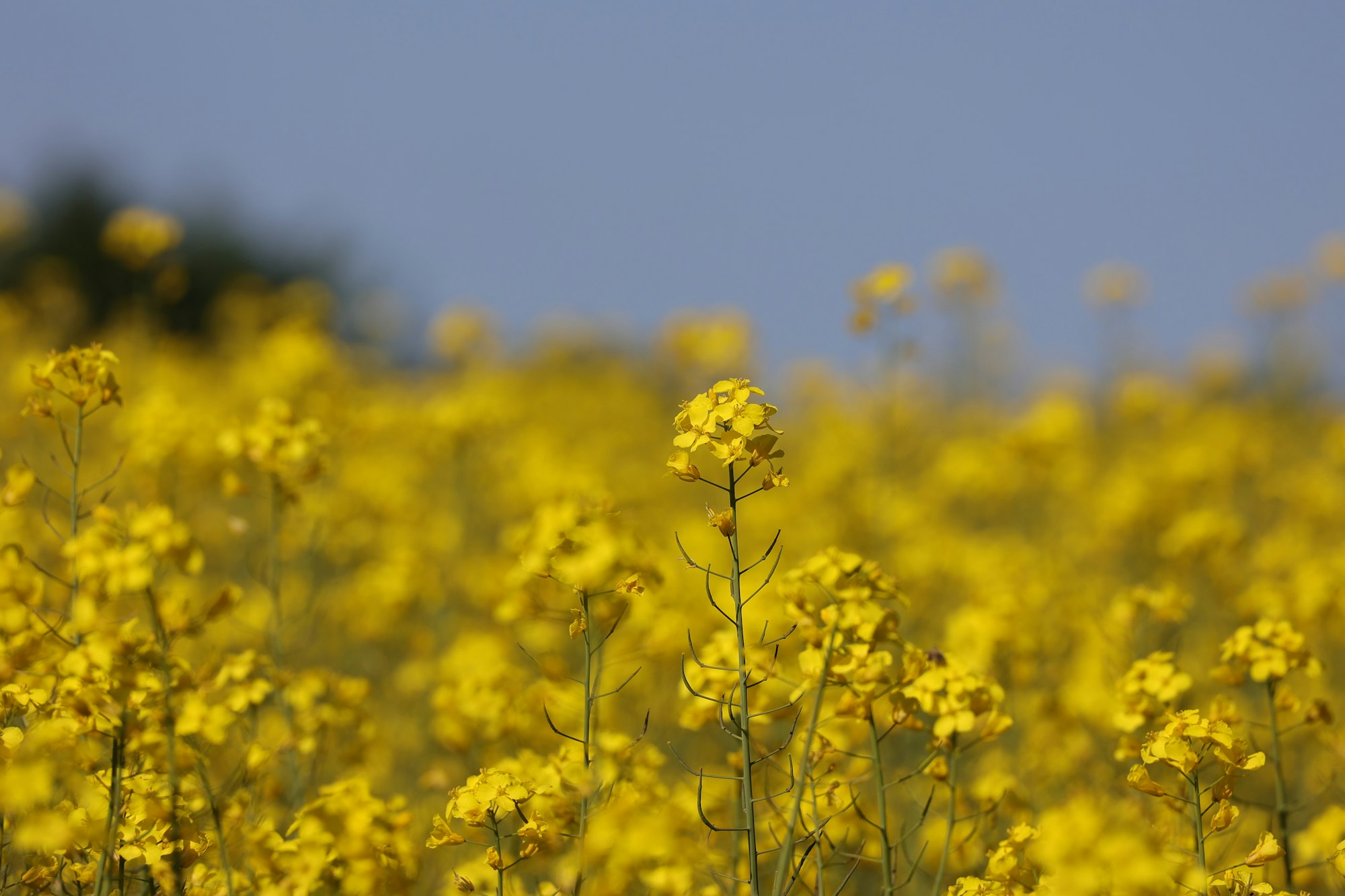
Canada and China have reached a preliminary agreement that cuts the combined tariff on Canadian canola seed from around 85% to 15% from 1 March. One of the world's most important oilseed trade flows is coming back.
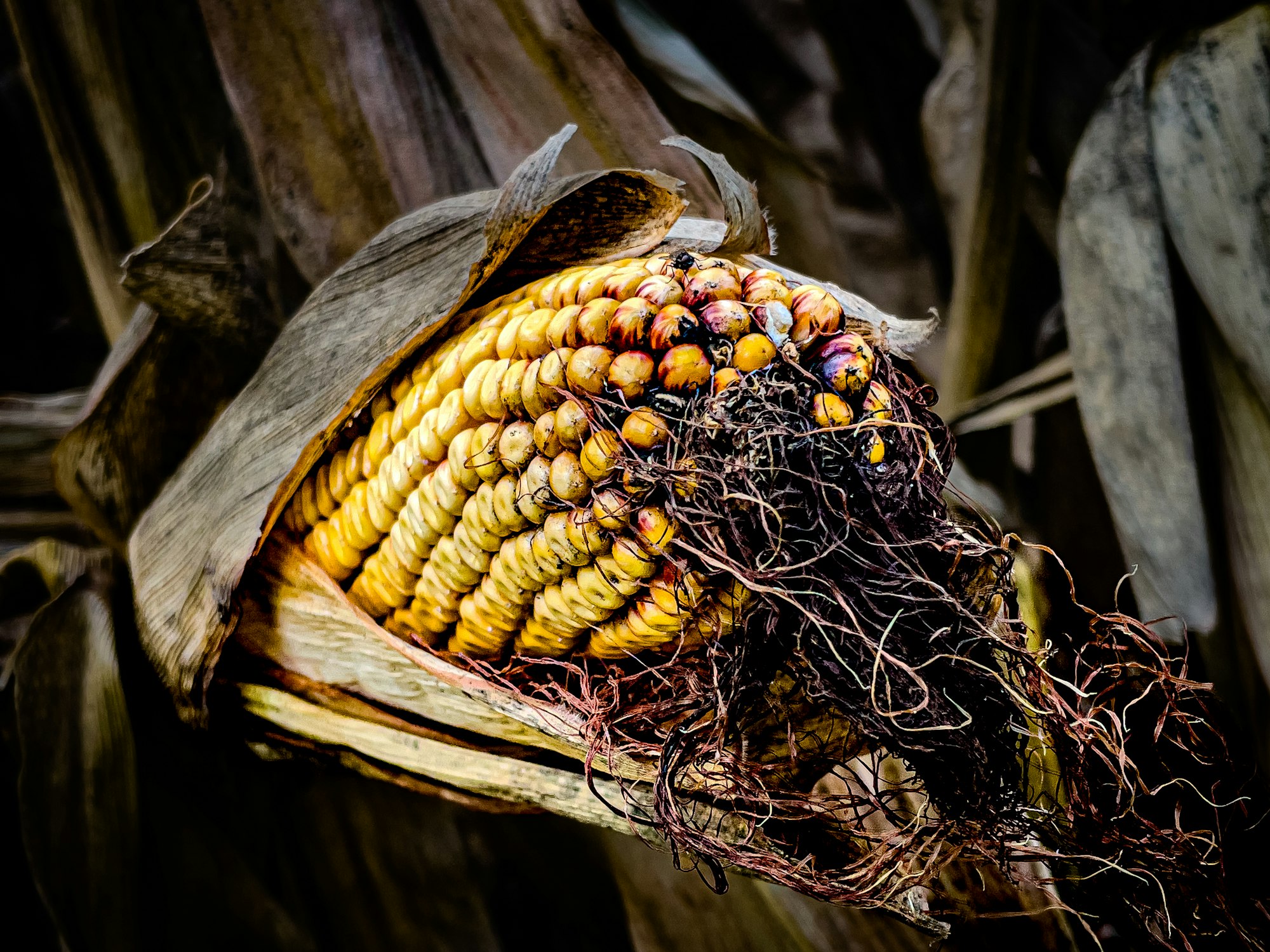
The USDA has confirmed a record 2025 US corn crop of 17.02 billion bushels — around 432 million tonnes. Stocks are at a seven-year high and corn is once again the most competitive feed grain in the world.
Seamless delivery of complex materials depends on integrated logistics and project management. How DBI Resources coordinates multi-modal supply chains from origin to destination.
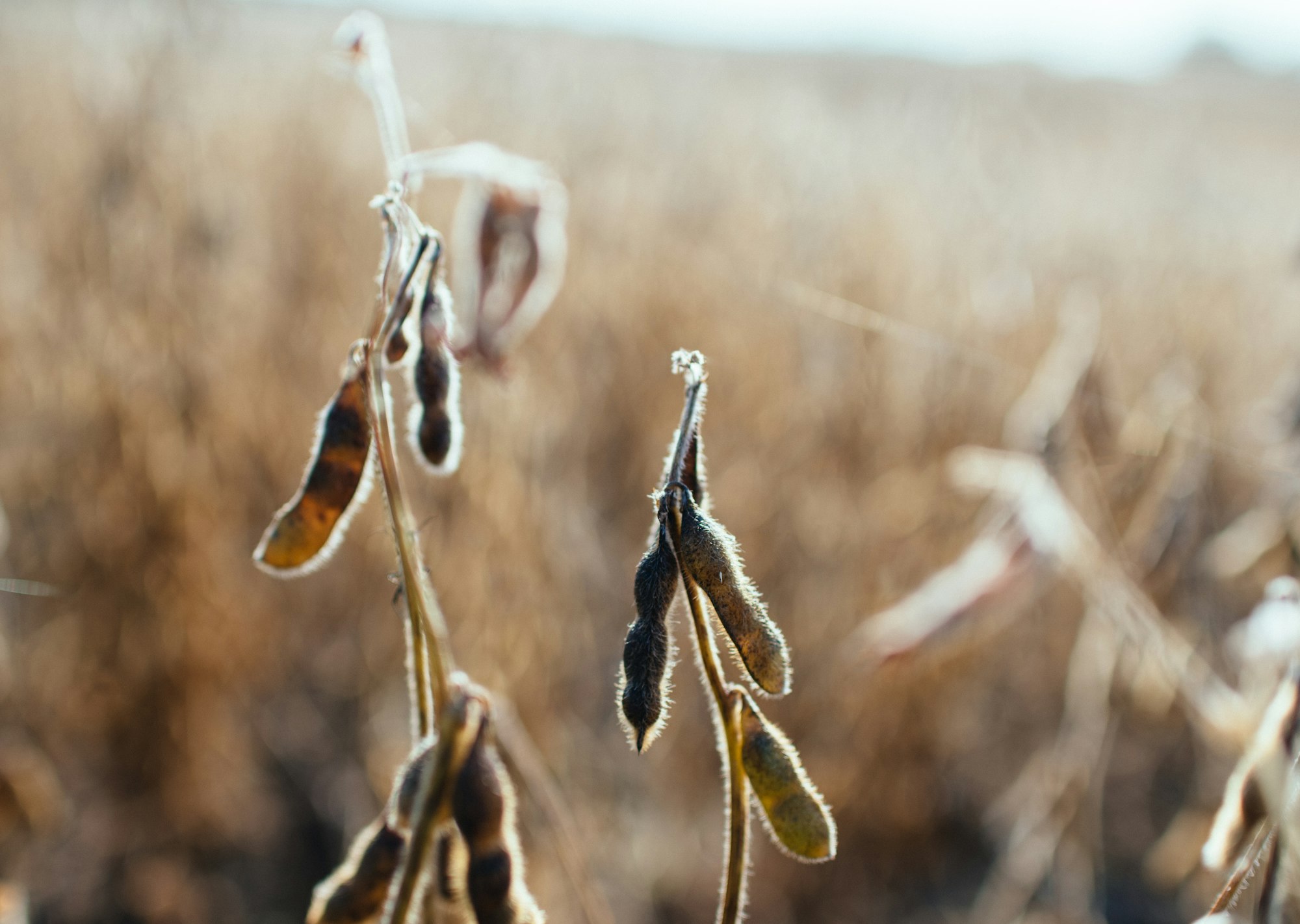
In just six weeks, two policy decisions reshaped the soybean market: Argentina's temporary zero export tax, and a US–China agreement on minimum soybean purchases through 2028.
After years of volatility, global food prices are stabilising in 2025, but sharp differences between regions and commodities continue to challenge agricultural markets.
A record US biofuel proposal sent soybean oil futures limit-up in June. Behind the price spike is a structural shift: oil, not meal, is becoming the main driver of the soybean crush.
India, the world's largest importer of vegetable oils, has cut the basic import duty on crude palm, soybean and sunflower oil from 20% to 10%. The move widens the gap with refined oils and supports import demand.
In a volatile 2025 economy, soft commodities are emerging as a powerful hedge against inflation and currency risk for investors and corporate traders.
A fast-moving tariff conflict between the United States and China is reshaping the world's largest soybean trade. Brazilian supply is filling the gap, and premiums are adjusting.
By 2050, the world’s population is expected to reach around 10 billion people. Rising incomes and urbanisation will lift demand for animal protein and put pressure on land, water and food systems.
Buenos Aires has lowered export duties on soybeans, soybean products, corn and wheat. For buyers in Asia, it means more competitive offers from the world's largest exporter of soybean meal and oil.