
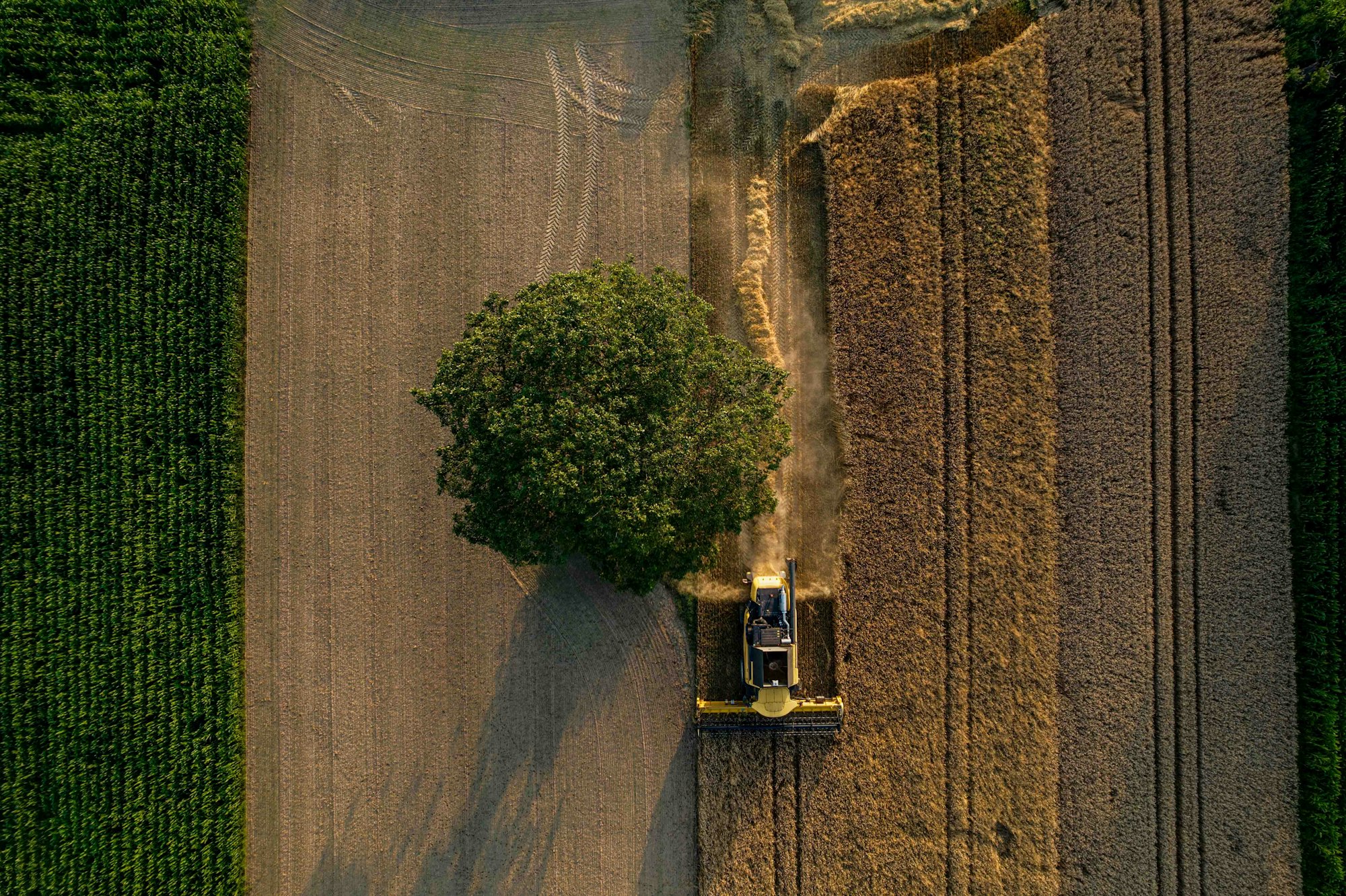
As the northern hemisphere harvest reaches its peak, the global grain and oilseed market is pulled in two directions: record supplies in the Americas on one side, and a strong El Niño event on the other.
A surprise from the US corn belt
The USDA's World Agricultural Supply and Demand Estimates of 9 October surprised the market. The US corn yield was raised to 181.1 bushels per acre, 3.6 bushels above trade expectations, lifting production to 16.03 billion bushels and ending stocks to 1.85 billion. December corn futures briefly fell by the daily limit. Soybeans reached a record yield of 53.1 bushels per acre and record production of 4.56 billion bushels. By contrast, US wheat production remains the smallest since 1970 at 1.534 billion bushels.
South America confirms its dominance
Brazil has completed a record 2025/26 soybean harvest of around 180 million tonnes, according to Conab, with exports estimated at more than 116 million tonnes. Brazilian shipments to China exceeded 10 million tonnes per month between June and August. China, meanwhile, has returned to buy US soybeans for December–March shipment under its purchase commitments, booking around 1.3 million tonnes in a single recent round.
El Niño: the main risk for 2027
Forecasters expect one of the strongest El Niño events on record. The first effects are already visible:
- Palm oil: the USDA has cut world palm oil production by 2.5 million tonnes, to the lowest level since 2017/18, as dry weather affects Southeast Asian plantations.
- Wheat: Australia's winter crop faces hot, dry conditions; early estimates point to a significant decline in output.
- Rice and pulses: India's monsoon was below normal, which could affect the 2026/27 winter crops.
At the same time, India has cut its import duties on edible oils again to contain domestic prices ahead of the festive season. From 24 September 2026, the basic duty on crude palm and soybean oil fell from 10% to 5%, and on crude sunflower oil from 10% to zero, which should keep Asian demand for vegetable oils strong.
Our view for 2026/27
- Corn and soybeans: comfortable supplies and competitive prices. A good time for feed and crushing buyers to extend coverage.
- Wheat: a two-speed market, with high premiums for protein wheat and El Niño risk on Australian supply.
- Vegetable oils: the tightest part of the complex, supported by biofuel mandates and lower palm output. We expect prices to remain firm into 2027.
DBI Resources remains at the side of its clients across grains, oilseeds and edible oils, with supply from multiple origins and a team that follows these markets every day.
Sources: USDA WASDE, 9 October 2026; Conab, July 2026; USDA FAS; NOAA; India Meteorological Department; Government of India customs notification 31/2026, 23 September 2026.

