
The world's most important agricultural trade relationship is under pressure again. In March, China introduced additional tariffs on a range of US farm goods, including 10% on soybeans and 15% on corn and wheat. In early April, the conflict escalated sharply, with duties on both sides rising to levels that make most US agricultural shipments to China uneconomic for now.
A shift in sourcing
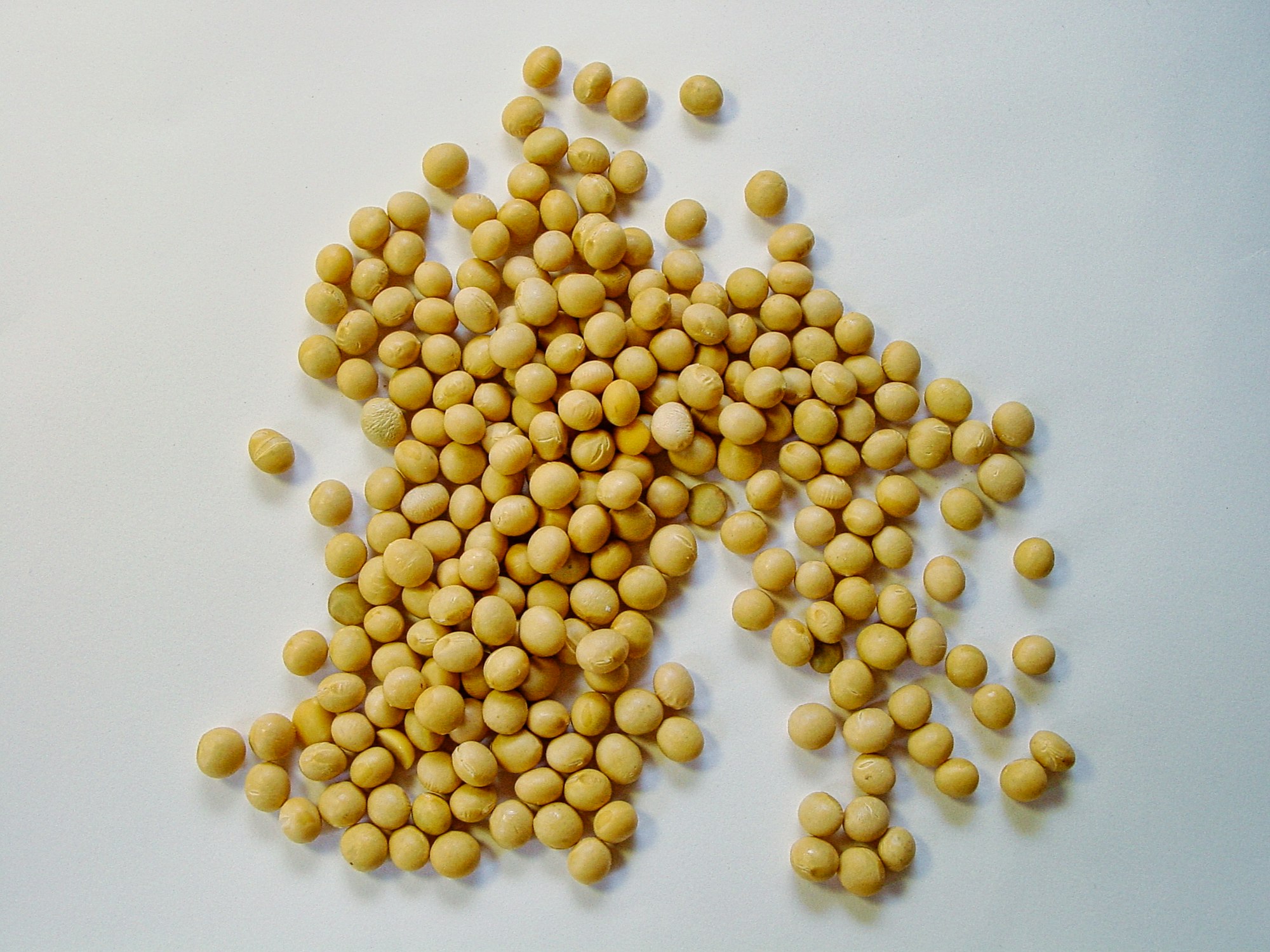
China is the destination for roughly 60% of world soybean trade, and the United States has historically supplied a large share of it, mostly between October and January. With tariffs in place, Chinese crushers are turning to South America earlier and more heavily. Fortunately for them, supply is abundant: Brazil is harvesting a record soybean crop of around 170 million tonnes, and Argentina is selling more actively after its export tax cut in January.
The effect is visible in the market. Brazilian export premiums have firmed, while US Gulf and Pacific Northwest values face pressure as exporters look for alternative buyers in Southeast Asia, North Africa and Europe. For corn and wheat, where US market share in China was already modest, the direct impact is smaller, but sentiment across grain markets has turned more volatile.
What it means for buyers
- Origin flexibility pays. Buyers able to switch between South American and North American origins can capture significant spreads while trade flows rebalance.
- Freight and timing. Heavier reliance on Brazil concentrates shipments into the March–August window, putting pressure on port line-ups and freight from the east coast of South America.
- Contract terms matter. In a policy-driven market, clear clauses on duties, documentation and force majeure are essential.
Our view
We do not expect global soybean supply to tighten: the South American crop is large and demand growth is moderate. What is changing is the map of trade flows and the value of flexibility. DBI Resources sources from multiple origins and is helping clients adjust their purchasing calendars to secure competitive cargoes through the summer.
Sources: Customs Tariff Commission of the State Council (China) announcements, March–April 2025; Conab crop estimates.

